Blog
What are Exchange rates?
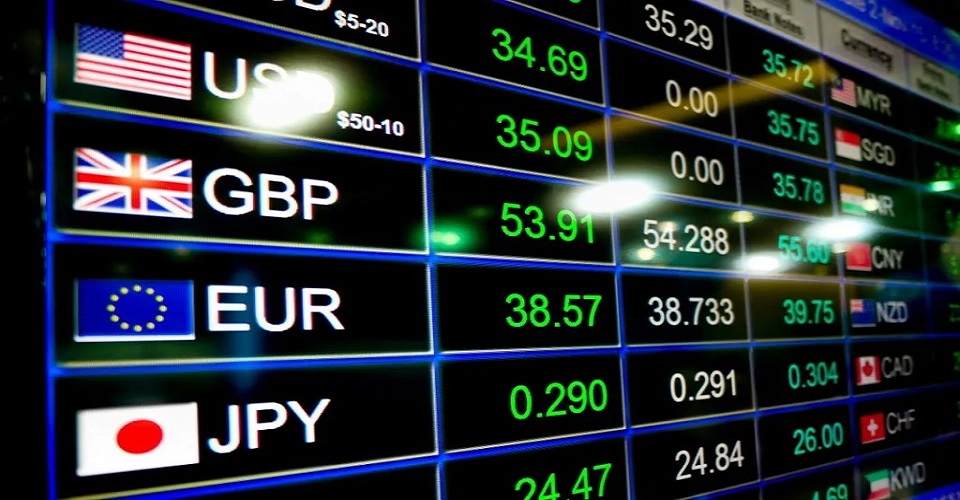
Exchange rates form the foundation of forex markets.
This basically displays how much of a particular unit of a currency can be exchanged into another currency.
Exchange rates can vary as they can be floating, that is they change continuously based on various factors. They can also be pegged, which means that they are fixed to another currency. In this case they will still float, but the movement will be concurrently with the currency to which they have been pegged. The fixed rate is determined by the central bank, and hence this is a governmental decision.
Floating exchange rates are the most common though. The floating rate is determined by the market forces of demand and supply in the global currency markets. Naturally, if the demand for a particular currency is high, then the value of that currency will increase. Currencies were allowed to float freely after the collapse of the Bretton Woods system.
Having said that, while this is a general rule of thumb, there are also numerous fundamental and technical factors which will also contribute to the exchange rate. Some examples include the inflation rates, gross domestic product, unemployment rates, geopolitical factors, a country’s stability and other macro factors. Short term movements in floating exchange rates are also the result of speculations and rumours, as well as disasters.
Central banks may sometimes step in as if a currency is too high or low, it could affect the economy of that country negatively, and this would in turn lead to considerable effects on trade, debts and other important aspects. Hence in some cases the government through the central bank can implement measures to move the currency to a certain price.
It is important for investors to know the value of a home currency in relation to different currencies as in this way they will be able to analyse them and make their decisions. If for instance an investor is considering investing in the US dollar, and at the time the dollar is declining in value, it means that it can increase the value of foreign investments.
This basically displays how much of a particular unit of a currency can be exchanged into another currency.
Exchange rates can vary as they can be floating, that is they change continuously based on various factors. They can also be pegged, which means that they are fixed to another currency. In this case they will still float, but the movement will be concurrently with the currency to which they have been pegged. The fixed rate is determined by the central bank, and hence this is a governmental decision.
Floating exchange rates are the most common though. The floating rate is determined by the market forces of demand and supply in the global currency markets. Naturally, if the demand for a particular currency is high, then the value of that currency will increase. Currencies were allowed to float freely after the collapse of the Bretton Woods system.
Having said that, while this is a general rule of thumb, there are also numerous fundamental and technical factors which will also contribute to the exchange rate. Some examples include the inflation rates, gross domestic product, unemployment rates, geopolitical factors, a country’s stability and other macro factors. Short term movements in floating exchange rates are also the result of speculations and rumours, as well as disasters.
Central banks may sometimes step in as if a currency is too high or low, it could affect the economy of that country negatively, and this would in turn lead to considerable effects on trade, debts and other important aspects. Hence in some cases the government through the central bank can implement measures to move the currency to a certain price.
It is important for investors to know the value of a home currency in relation to different currencies as in this way they will be able to analyse them and make their decisions. If for instance an investor is considering investing in the US dollar, and at the time the dollar is declining in value, it means that it can increase the value of foreign investments.